

Fieldwork Programs for Aspiring Jaguar Conservators in Tulum
Overview of Jaguar Conservation
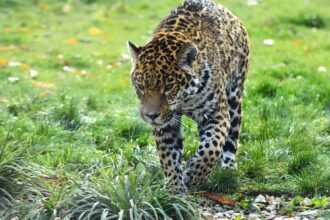
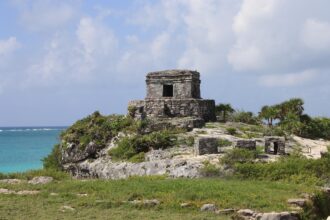
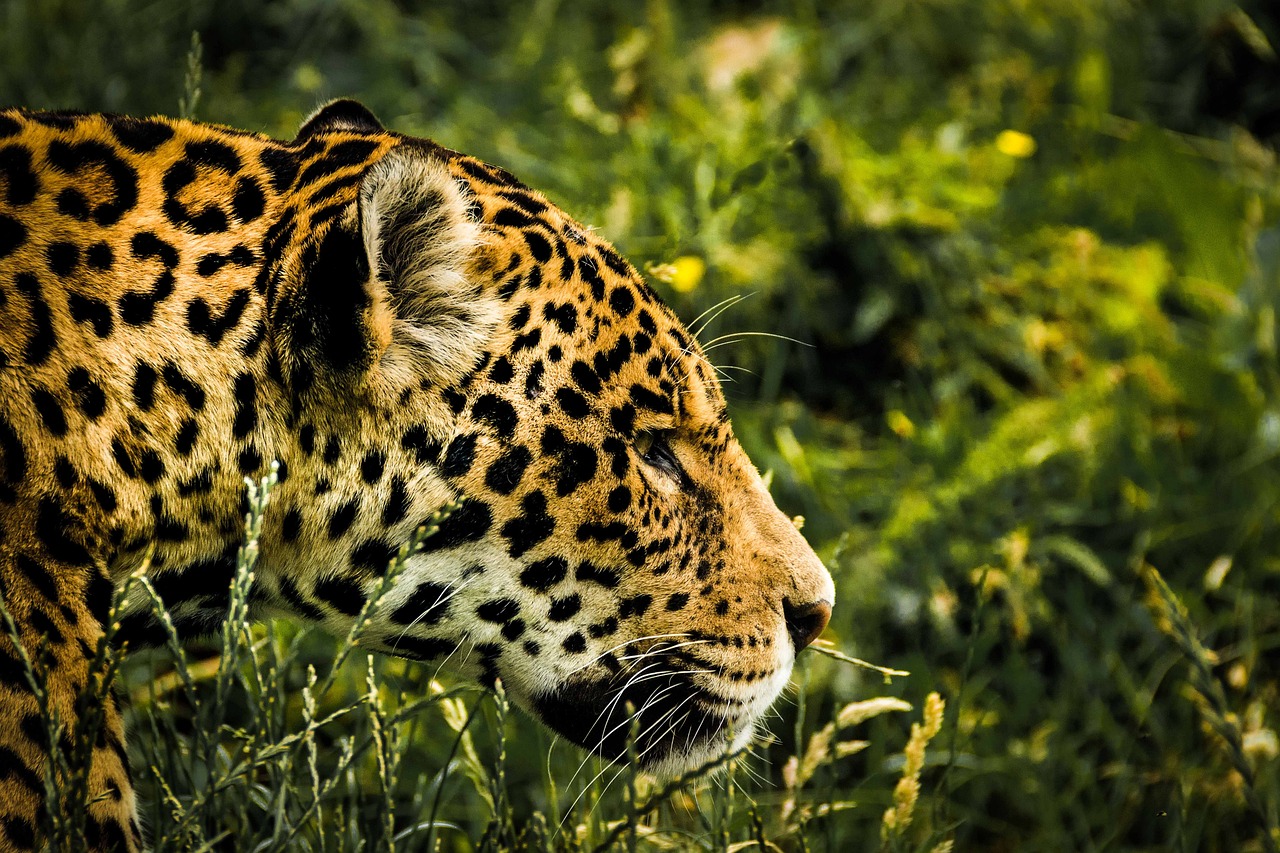
Jaguar conservation is crucial for protecting biodiversity in ecosystems where these magnificent felines roam. These apex predators are an indicator of a healthy environment, playing a key role in maintaining the balance of various species. Tulum, located in the Yucatan Peninsula of Mexico, is a hotspot for wildlife conservation efforts due to its rich biodiversity and the presence of jaguars in nearby protected areas like the Sian Ka’an Biosphere Reserve.
Why Choose Tulum for Jaguar Conservation?
Tulum offers a unique blend of ecological and cultural experiences that contribute significantly to fieldwork programs. The region is characterized by lush jungles, coastal wetlands, and various habitats that promote rich wildlife populations. Additionally, Tulum has a vibrant community of conservationists, NGOs, and educational institutions focused on wildlife protection. This synergy creates a conducive learning environment for aspiring jaguar conservators.
Types of Fieldwork Programs
-
Research and Monitoring Programs
Research and monitoring programs focus on data collection about jaguar populations, their behavior, and habitat use. Participants engage in direct field research, utilizing GPS collars, camera traps, and tracking methods to monitor jaguar movements. Workshops on data collection techniques and software are typically included, allowing participants to analyze results effectively.
- Skills Developed: Data collection, statistical analysis, ecological modeling.
-
Habitat Restoration Initiatives
These initiatives aim to restore and protect crucial habitats that support jaguar populations. Fieldworkers may participate in reforestation projects or wetland preservation efforts. These hands-on programs offer insight into the significance of habitat conservation and its direct impact on jaguar survival.
- Skills Developed: Plant identification, restoration techniques, ecological balance.
-
Community Education and Outreach
Community involvement is essential for successful conservation efforts. Fieldwork programs in Tulum often include outreach activities aimed at local communities. Participants learn how to educate residents about the importance of jaguars and engage them in conservation strategies. This program also highlights the socioeconomic interactions of jaguars within local culture.
- Skills Developed: Communication, educational methodology, community engagement.
-
Wildlife Rehabilitation and Care
Some fieldwork programs focus on the care and rehabilitation of injured or orphaned wildlife, including jaguars. Participants gain valuable experience in animal welfare practices, veterinary care, and husbandry techniques. Collaboration with local wildlife sanctuaries can enhance practical skills in handling and caring for big cats.
- Skills Developed: Animal care, veterinary practices, handling techniques.
Key Organizations Offering Fieldwork Programs
-
Jaguar Research Center
The Jaguar Research Center in Tulum is a key player in jaguar conservation efforts. Their fieldwork programs include both research and community outreach components, making them holistic and multifaceted. Interns and volunteers assist in ongoing projects that track jaguar populations and study their habitats.
- Program Duration: Generally spans from one month to six months.
- Requirements: Background in biology or environmental sciences preferred.
-
Sian Ka’an Biosphere Reserve
This UNESCO World Heritage site offers immersive fieldwork programs focused on maintaining biodiversity. Participants work alongside biologists in ecological surveys and habitat conservation projects, focusing on how jaguars fit into the broader ecosystem.
- Program Duration: Typically, two to three months.
- Requirements: Open to all, but science or environmental studies background can be beneficial.
-
Wildlife Conservation Society (WCS)
WCS operates in Tulum with programs targeted at jaguar conservation and habitat protection. Their fieldwork often involves partnerships with local communities to promote conservation efforts and ecological education.
- Program Duration: Varies; internships may range from three months to a year.
- Requirements: Strong interest in wildlife conservation with applicable degrees preferred.
Practical Tips for Aspiring Jaguar Conservators
-
Prepare for Field Conditions
Fieldwork can be physically demanding; pack accordingly. Comfortable hiking boots, light clothing for warm climates, and mosquito repellent are essential. Don’t forget to bring a sturdy backpack to carry necessary equipment.
-
Learn Essential Skills
Basic knowledge of wildlife research techniques, like GPS tracking and camera trap setup, can be beneficial. Consider online courses in wildlife biology, data analysis, and ecology.
-
Cultural Sensitivity
Respect for local customs is crucial when engaging with community members. Understanding the cultural significance of jaguars in local folklore can enhance outreach effectiveness and foster goodwill.
-
Network with Professionals
Take advantage of internships to connect with professionals in the field of wildlife conservation. Attend workshops, conferences, and local NGO meetings to network and learn about potential job opportunities.
-
Stay Informed
Keep updated with recent developments in conservation science, methodologies, and related policies. Participate in webinars, read conservation journals, and follow influential organizations on social media to stay engaged.
Expected Outcomes of Participation
Participating in fieldwork programs aids in the development of practical skills, improves understanding of ecological balance, and enhances the ability to contribute meaningfully to conservation efforts. Aspiring jaguar conservators return from these experiences with a deeper appreciation for the complexities of wildlife management, making them more competitive candidates for future roles in conservation.
Final Thoughts
Fieldwork programs in Tulum offer an unparalleled opportunity to immerse oneself in the world of jaguar conservation, establishing both a professional and personal connection to the fight for these iconic creatures’ survival. The combination of rigorous education, hands-on experience, and community engagement serves as a robust foundation for aspiring jaguar conservators aiming to make a lasting impact.